Drogheda is one of Ireland’s oldest towns, set on the River Boyne at the eastern end of the Boyne Valley. In a single day you can walk through a 13th-century town gate, climb a Martello tower for views over the rooftops, see the shrine of St Oliver Plunkett and watch trains cross a Victorian viaduct high above the river. Here are the best things to do in Drogheda, and how to fit them around a stay at Tower Lodge, a short drive north of the town at Monasterboice.
Is Drogheda worth visiting?
Yes, especially if you are already exploring the Boyne Valley. Drogheda packs a lot of history into a compact, walkable centre: medieval walls, Norman and Cromwellian sieges, and a busy port that grew around the river crossing. It is also the nearest large town to Newgrange and Monasterboice, so it is the natural place for lunch, shopping and dinner on a heritage trip.
St Laurence’s Gate
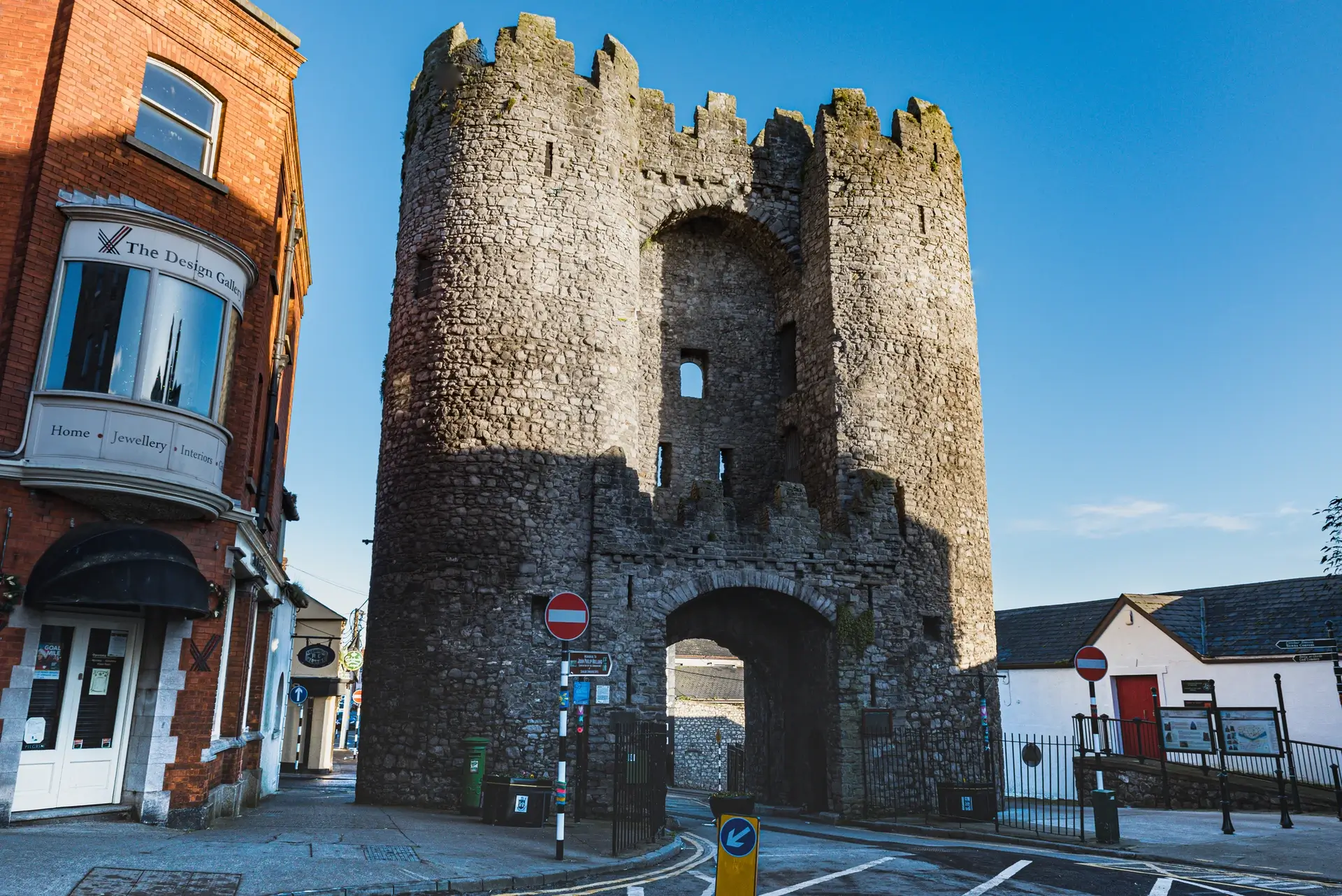
St Laurence’s Gate is the symbol of Drogheda and one of the finest surviving medieval town defences in Ireland. Strictly speaking it is a barbican rather than a gate: a pair of fortified round towers built in the 13th century to guard the approach to the town gate behind it. The towers were raised higher in the 15th century. It is a National Monument, free to see from the street, and it is at its best in the early morning before traffic builds. See Heritage Ireland for more on its history.
Millmount Fort and Drogheda Museum
Millmount sits on a mound on the south side of the river, a site that may once have held a large passage tomb. The Martello tower on top dates from the early 1800s, and climbing it gives the best view in town over the river, the rooftops and St Laurence’s Gate.
Drogheda Museum, in the old barracks beside the tower, covers the town’s trades, guild banners, military history and archaeology. Look out for its coracle, a traditional wicker-and-hide fishing boat and one of only four that survive. Craft studios and a café share the complex. The museum lists opening hours of 9:30 to 17:30 daily, with the last trip up the tower at 16:30, and a combined museum and tower ticket of €8 for adults, €4 for children and €20 for a family. Check the Drogheda Museum listing before you go.
St Peter’s Church and the shrine of St Oliver Plunkett
St Peter’s Roman Catholic Church on West Street, the main shopping street, is a Gothic limestone church built in 1884, with a marble high altar and more than 40 stained glass windows. It is best known for the shrine of St Oliver Plunkett, Archbishop of Armagh, who was executed in London in 1681 and canonised in 1975. His preserved head is kept in the shrine, which draws pilgrims and curious visitors alike. Entry is free; see St Peter’s Drogheda for Mass times so you can visit outside services.
The Boyne Viaduct
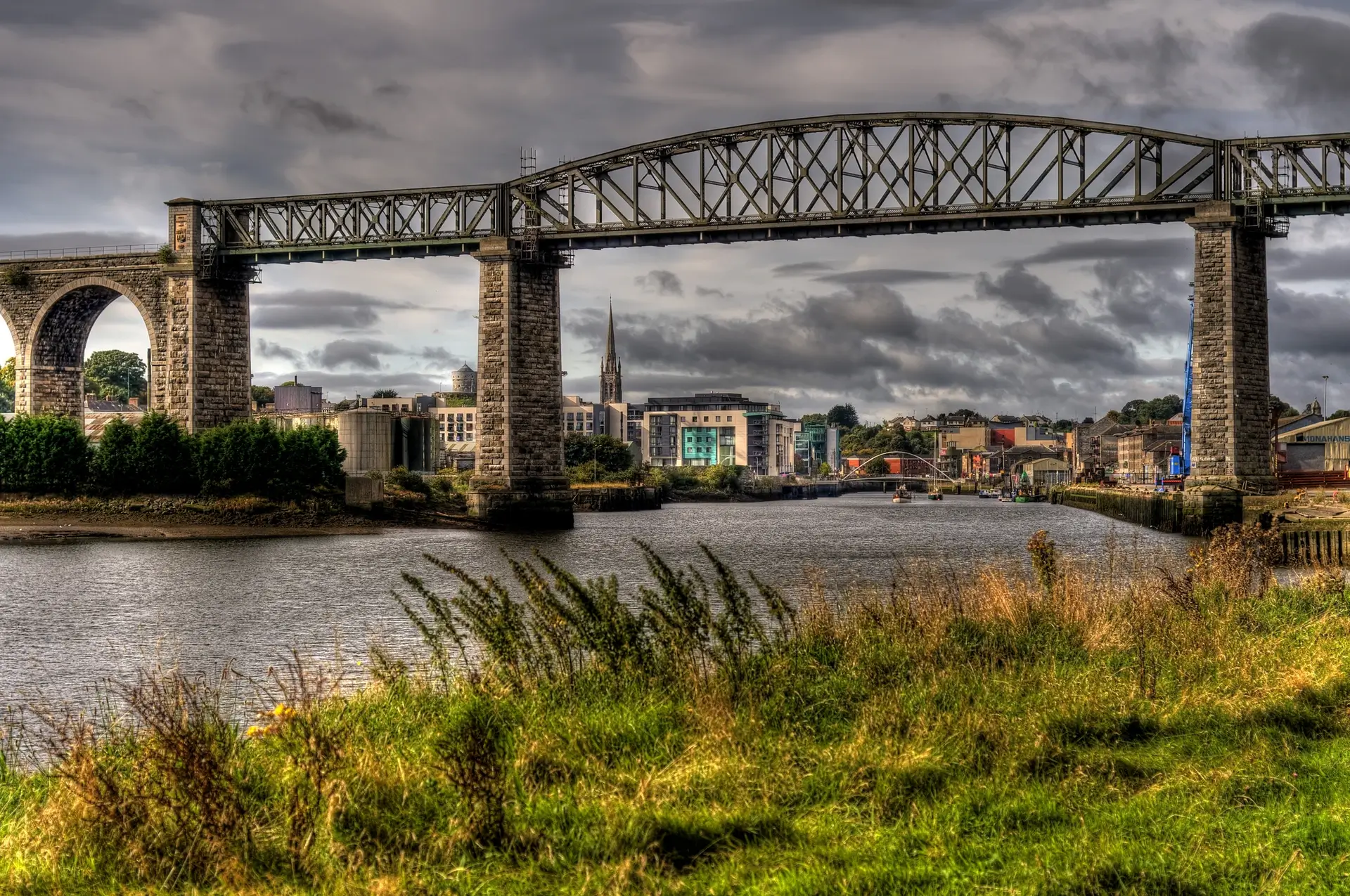
Completed in 1855 and designed by Sir John Macneill, the Boyne Viaduct carries the Dublin to Belfast railway about 30 metres above the river on the east side of town. Its iron river spans were replaced in 1932, and it remains one of the great engineering landmarks of Victorian Ireland. Walk along the quays towards the river mouth for the classic view, ideally when a train is crossing.
A walk along the River Boyne
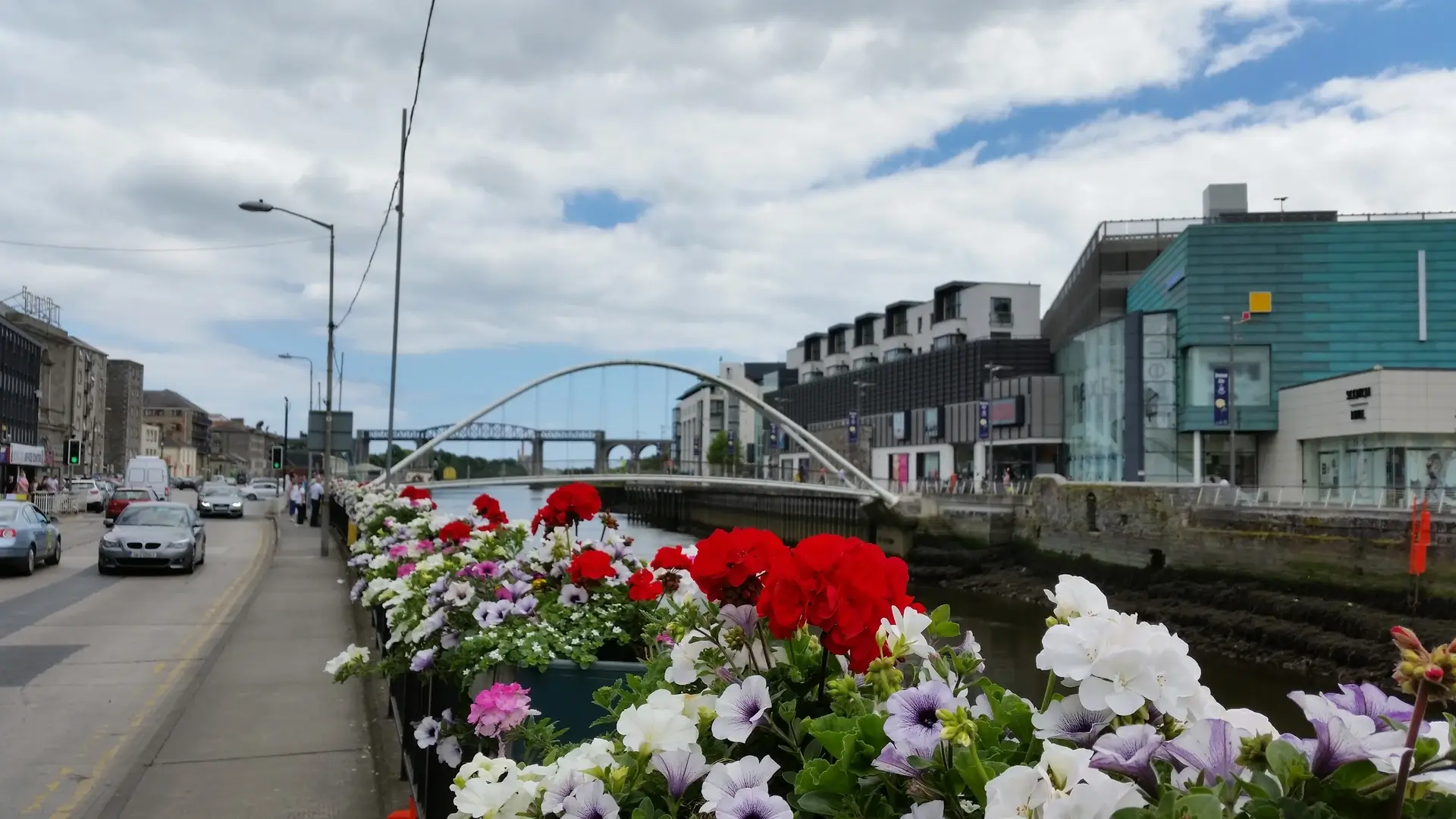
The quays tie the town together. A loop from St Laurence’s Gate down to the river, across to Millmount and back over the bridge takes about an hour at an easy pace, and passes the remains of the old town walls and the Magdalene Tower, all that is left of a medieval Dominican friary. Finish on West Street for a coffee or an early dinner.
Combine Drogheda with the Boyne Valley
Drogheda works best as half of a day. Spend the morning at Monasterboice’s round tower and high crosses or Old Mellifont Abbey, then head into town for lunch and the afternoon. The Battle of the Boyne site at Oldbridge is just west of town, and Newgrange and Brú na Bóinne are a short drive further. For a fuller plan, see our three-day Boyne Valley itinerary or the best things to see and do in the Boyne Valley.
Where to stay near Drogheda
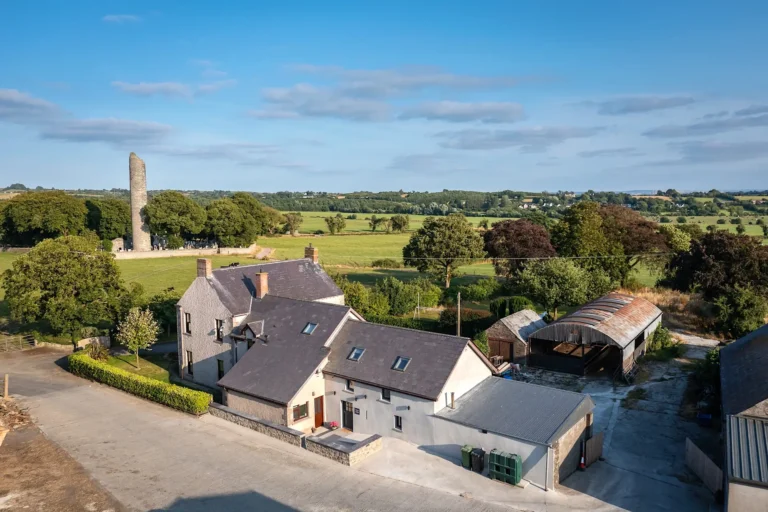
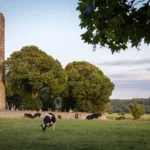
Tower Lodge is a restored barn beside the Monasterboice round tower, a short drive north of Drogheda. It sleeps four in a king room and a twin room, with a self-catering kitchen, so you can enjoy the town by day and come back to the quiet of the countryside at night. In town for a celebration? Read our guide to where to stay for a wedding near Drogheda.
Frequently asked questions
What is Drogheda famous for?
St Laurence’s Gate, the shrine of St Oliver Plunkett in St Peter’s Church, Millmount Fort and the Boyne Viaduct. It is also the gateway town for the Boyne Valley and Newgrange.
How long do you need in Drogheda?
Half a day covers the main sights. Allow a full day if you want time in Drogheda Museum and a slow walk along the river.
Is St Laurence’s Gate free to visit?
Yes. It is an unguided National Monument that you can see from the street at any time.
How far is Drogheda from Newgrange?
The Brú na Bóinne Visitor Centre, where all Newgrange tours start, is a short drive west of Drogheda. Remember that Newgrange tours must be booked in advance.